Showing posts with label Literature. Show all posts

Saturday, April 26, 2014

Frederic Mistral O φιλέλληνας μεγάλος νομπελίστας ποιητής (1830-1914)


post by 
DIMITRIS PERDIKIS


Γράφει ο Δημήτρης Περδίκης

  Συμπληρώνονται 100 χρόνια από τον θάνατο μίας μεγάλης μορφής, του φιλέλληνα νομπελίστα ποιητή Frederi Mistral.

   Πριν να σπεύσουν κάποιοι να με διορθώσουν, θέλω να γράψω πως το όνομά του στα Γαλλικά γράφεται μεν Frederic, όμως ο ίδιος έγραφε και υπέγραφε στην τοπική διάλεκτο της Προβηγκίας (Occitane) και σαν μια ελάχιστη τιμή στην μνήμη του, το γράφω και εγώ όπως και ο ίδιος θα ήθελε να το δει γραμμένο.
   Ήταν Χριστούγεννα του 1897 και ο Φρεντερί Μιστράλ παρακολουθούσε με ενδιαφέρον και αγωνία τον ηρωικό αγώνα που έδιναν οι Κρητικοί για ελευθερία από τον τουρκικό ζυγό και για την ένωση με την μητέρα Ελλάδα.
Τότε παρουσιάζει το υπέροχο ποίημά του, τον Ύμνο στην Ελλάδα, τον οποίο παραθέτω πιο κάτω. Δεν ξέρω αν και πόσο το ποίημα αυτό επηρέασε τις αποφάσεις για το Κρητικό Ζήτημα, όμως σε λίγο καιρό οι στόλοι των μεγάλων ευρωπαϊκών δυνάμεων έφθαναν στα λιμάνια της Κρήτης και αποβίβαζαν τους στρατιώτες τους. Μετά από πολλές διαβουλεύσεις η τελική απόφαση (με αποχή της Γερμανίας και της Αυστρίας) ήταν για την Κρήτη: Αυτόνομη Πολιτεία με Έλληνα πρίγκιπα αρμοστή και την ελληνική δραχμή ως νόμισμα.
Η αρχή για την Κρητική δικαίωση και λύτρωση είχε αρχίσει και θα ολοκληρωνόταν λίγους μήνες πριν από τον θάνατό του, το 1913.
    Ο Φρεντερί Μιστράλ γεννήθηκε στις 8 Σεπτεμβρίου 1830 στο χωριό Μαιγιάν (Maillane), το οποίο οι ντόπιοι ονομάζουν  στα προβηγκικά Malhane.
που βρίσκεται νότια της Αβινιόν στην Προβηγκία της Γαλλίας. Οι γονείς του ήσαν εύποροι αγρότες. Όμως ο ίδιος διάλεξε τον δρόμο των γραμμάτων και του αγώνα για την διάδοση και καθιέρωση της προβηγκικής γλώσσας (Occitane). Οι μακρινοί του πρόγονοι είχαν έλθει στην εύφορη γη της Νότιας Γαλλίας από την Κάτω Ιταλία με το επώνυμο Rofos, το οποίο στην Γαλλία άλλαξε σε Roux για να καταλήξει σε Mistral.
     To 1904 o Μιστράλ βραβεύθηκε για την συνολική προσφορά του στην ποίηση με το νόμπελ λογοτεχνίας. Το χρηματικό ποσό που συνόδευσε την βράβευση, το διέθεσε για την δημιουργία στο Άρλ, γειτονικό με την γενέτειρα του, Προβηγκικού Εθνογραφικού Μουσείου.
      Πέθανε στις 25 Μαρτίου 1914 (την ημέρα της εθνικής μας εορτής) στο χωριό που γεννήθηκε, το Μαιγιάν.
      Στην Γαλλία ο Μιστράλ είναι γνωστός, και τώρα στα 100 χρόνια από τον θάνατό του πλήθος εκδηλώσεων πραγματοποιήθηκαν.
       Στην Ελλάδα, μετά από μια πρόχειρη έρευνα που έκανα, τον αγνοεί η συντριπτική πλειοψηφία των Ελλήνων. Μήπως θα έπρεπε τώρα, στα 100 χρόνια από τον θάνατό του και η Ελλάδα, ιδιαίτερα η επίσημη πολιτεία, η χώρα την οποία λάτρεψε, να του αποτίσει τιμή και μνήμη. Και να φροντίσει το όνομα και το έργο του να γίνουν λίγο πιο γνωστά από όσο είναι τώρα, ίσως και σαν ένα ακόμα παράδειγμα για μίμηση στην τόσο αποπροσανατολισμένη σημερινή Ελλάδα.

Ο «Ύμνος στην Ελλάδα» του Φρεντερί Μιστραλ

"Με την αυγή και η θάλασσα μενεξεδένια λάμπει, και με το φως τα πάντα ξανανιώνουν.
Να η άνοιξη γυρίζει, να το χελιδόνι στον Παρθενώνα ξαναχτίζει τη φωλιά του!
Πανίερη Αθηνά, τίναξε το πουλί σου στ’ αμπέλια μας απάνω τα σαρακωμένα.
Κι αν πρέπει να πεθάνουμε για την Ελλάδα, θεία είν’ η δάφνη! Μια φορά κανείς πεθαίνει...

Αγάλια αγάλια αποχρυσώνεται το κύμα, να η άνοιξη γυρίζει, μεσ’ στα κορφοβούνια
του Προμηθέα τα σπλάχνα σκίζοντας ένα όρνιο μεγάλο, ασάλευτο ξανοίγεται μακριάθε
για να διώξεις το μαύρο γύπα που σε τρώει, αρμάτωσέ μας, νέε νησιώτη, το καράβι.
Κι αν πρέπει να πεθάνουμε για την Ελλάδα, Θεία είν’ η δάφνη! Μια φορά κανείς πεθαίνει.
 
Τ’ ανάκρασμα τ΄ακούτε της αρχαίας Πυθείας; “Νίκη στων ημιθέων τ’ αγγόνια!” Από την Ίδη ως της Νικαίας τ’ ακρογιάλια ξανανθίζουν αιώνιες οι ελιές.
 Με τ’ άρματα στα χέρια εμπρός! Τα ύψη των βουνών ας τ’ ανεβούμε, τους Σαλαμίνιους αντίλαλους ξυπνώντας!
Αν πρέπει να πεθάνουμε για την Ελλάδα, θεία είν΄ η δάφνη!
Μια φορά κανείς πεθαίνει.
 
Κ’ έλα, ετοιμάστε τα λευκά φορέματά σας, αρραβωνιαστικές, για να στεφανωθήτε
στο γυρισμό τους ακριβούς σας μεσ’ στο λόγγο γι’ αυτούς που σας γλυτώσανε κόφτε τη δάφνη.
Αγνάντια στη σκυφτή και ντροπιασμένη Ευρώπη, ας πιούμε ξέχειλη τη δόξα παλληκάρια.
Κι αν πρέπει να πεθάνουμε για την Ελλάδα, θεία είν’ η δάφνη!
Μια φορά κανείς πεθαίνει.
 
Ό,τι έγινε μπορεί να ξαναγίνει, αδέρφια! Στων πυρωμένων τούτων βράχων την λαμπάδα με σάρκα θεία μπόρεσ’ ο άνθρωπος να νοιώση το φωτερώτερο κι απ’ όλα τα όνειρά του.
Κι η χρηστή ψυχή βωβή εκεί πέρα θα είναι; Κ’ εμείς ενός κορμιού ξερόκλαδα εκεί πέρα;
Κι αν πρέπει να πεθάνουμε για την Ελλάδα, θεία είν’ η δάφνη!
Μια φορά κανείς πεθαίνει.
 
Το Μαραθώνιο πεζοδρόμο ακολουθώντας κι αν πέσουμε, το χρέος μας έχουμε κάμει!
Και με το αίμα του προγόνου μας Λεωνίδα το αίμα μας , θριάμβων αίμα, ταιριασμένο,
θα πορφυρώσει τον καρπό τον κοραλλένιο και το σταφύλι το κρεμάμενο στο κλήμα.
Κι αν πρέπει να πεθάνουμε για την Ελλάδα, θεία είναι η δάφνη!
Μια φορά κανείς πεθαίνει.
Της ιστορίας μάς φέγγουν τρεις χιλιάδες χρόνια, Ορθοί! Και πρόβαλε από τώρα το παλάτι στον τόπο εκεί που λύθηκαν τα κακά μάγια, κι ο φοίνικας ξαναγεννιέται από τη στάχτη.
Στις αμμουδιές της Μέκκας διώξε το ήλιε, το μισοφέγγαρο μακριά απ΄ τον ουρανό μας…
Αν πρέπει να πεθάνουμε για την Ελλάδα, θεία είν΄η δάφνη!
Μια φορά κανείς πεθαίνει."


Saturday, October 05, 2013

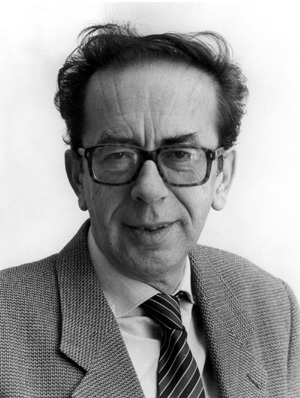
Why Ismail Kadare Should Win the 2013 Nobel Prize in Literature


August 14, 2013Nina Sabolik
Ismail Kadare
Ismail Kadare
I should hate Ismail Kadare. I should hate him because I am Macedonian, and he is Albanian, and our two peoples have been enemies for centuries and went to war as recently as a dozen years ago. I should hate him because at a recent meeting of the international PEN centers in Bled, Slovenia, he was the only one who refused to sign a petition to recognize Macedonia under its constitutional name—a petition signed by all seventy PEN members, including five other Albanian writers. I should hate Ismail Kadare because, apparently, he has collaborated with Enver Hoxha’s regime, and didn’t protest strongly enough the cruelties of communism—cruelties similar to those of communist Yugoslavia that have wreaked havoc on my family for more than three generations. Yet after reading his novels and stories, not only do I not hate him, but I want to nominate him for the Nobel Prize in Literature for 2013. Let me explain why.
Kadare was born in 1936 in Gjirokaster, a small, fairy-tale-like town in the mountains of southern Albania that has served as the setting for several of his novels, including Kështjella (1970; Eng. The Siege, 2008). It also has that uniquely ironic distinction of being the birthplace of Enver Hoxha, longtime communist dictator of Albania. Kadare was also a member of the communist parliament for more than fifteen years before finally seeking political asylum in France in 1990—five years after the death of Hoxha and on the eve of communism’s dissolution in 1991. He served as the chairman of a cultural institute closely overseen by the dictator’s wife and right hand, Nexhmije Hoxha. He even published the novel Dimri i madh (1977; The great winter) as a paean to Hoxha’s leadership and Albania’s disassociation from Stalinist Russia in 1961.
On the other hand, many of his books were banned during the thirty years he spent as a writer in communist Albania. Among them was arguably his best novel, Nëpunësi i pallatit të ëndrrave (1981; Eng. The Palace of Dreams, 1990), which draws an obvious parallel between Hoxha’s regime and a fictional country where dreams are examined for signs of political dissidence. Yet in spite of all his freethinking, Kadare not only survived but flourished in a country where writers were routinely exiled, imprisoned, or executed for much smaller ideological offenses.
The Siege, like Kadare’s dissidence, is an allegory of an allegory. At its heart, it is not just a critique of communism but also a reflection on the cultural relativity of historical representation.
Like the story of the The Siege—and like that of my own family, in which hard-line, working-class communists, liberal bourgeois socialists, and conservative anticommunists mingled and intermarried—Kadare’s political life does not present a clear boundary between the “bad” communists and the “good” dissenters. Instead, in his fiction, Kadare uses the lens of history to show the constructed nature of political dissent in general. The politically opportunistic chronicler of The Siege, for example, constructs the story of the clash between the Ottoman army and the Albanian enemy, which is transformed in turn by contemporary critics into a story about the clash between communists and their opponents. The Siege, like Kadare’s dissidence, is an allegory of an allegory. At its heart, it is not just a critique of communism but also a reflection on the cultural relativity of historical representation. 
To be a writer in communist Albania must have been similar to being a chronicler in a large Eastern army in the days of the Ottoman Empire. Kadare’s portrayal of Tursun Pasha, the commander of the Ottoman army in The Siege and a stand-in for Enver Hoxha and military dictators everywhere, is telling in this regard. “The night was pregnant and he was in its belly, all alone” is, for example, how the chronicler describes the emotional state of the Pasha on the eve of the siege.  A turbid character in his twilight years, worried about his declining military career, Tursun Pasha feels crushed by the personal as well as civilizational weight of the task he has set out to achieve. In the belly of his own doubts, he confronts the value of his life spent as a servant to and creator of a nascent and cruel empire. At the end of his vigil, the blood-red sky emerging from the East presages a bloody siege, and his own death is the only possible release from the confines of empire. Thus, the “dark belly” of the night serves multiple symbolic purposes—it is the internal strife of a person unable to escape the crushing weight of history, the yoke of an enormous empire spreading westward, and, obliquely but unmistakably, the communist empire of Stalin. Tursun Pasha’s suicide at the end of the siege underlines the bleak meaning of this metaphor, his death becoming “a kind of nowhere place, a place truly beyond the reach of law, outside the world and the Empire.”
Another element of Kadare’s critique of Hohxa’s regime is his attack on the idea of denationalization, which in The Siege originates from the padishah, or the sultan, which was also a favorite pastime of the more recent communist empire. “The great Padishah,” the quartermaster informs us, “has other men working for him on problems of this kind. They’re all specialists in denationalization. . . [c]raftsmen in the rotting and corroding of nations.” These “craftsmen” perform “damage on the inside, damage secreted from their own ranks, well, yes, that is the evil that can bring [the Christians] to their knees.” In other words, it is ideology much more than war that can break a nation: “You cannot call a country conquered until you have conquered its Heaven.” Like communism, which was brought on with bloody revolutions and ultimately failed, the Ottoman army cannot break the Albanian defenders by force alone; it is the people’s minds and hearts that are the true fortress of a nation. This is a theme that Kadare returns to in his latest novel, Aksidenti (2010; Eng. The Accident), which traces the corruptive influence of distorted Western values in postcommunist southeastern Europe. In The Accident, however, the enemy is not a communist dictator but the ideological assault of unquestioned Western values, which, in the name of freedom, has demolished the moral core of postcommunist Albania
Kadare’s circumstances challenge Joseph Brodsky’s notion that exile, physical or mental, is the only reasonable response to an oppressive regime. For Kadare, the only way to resist a dictatorship, whether communist, colonial, or neocolonial, is to fight it, over and over again, from the inside, from within the depths of one’s own soul.
Unlike other dissident authors from various dictatorial regimes, Kadare does not see a light at the end of the historical tunnel. There’s no escaping the eternal cycle of strife and reconciliation. The war continues, under many different guises. There is no salvation on the other side of the borderline, nor at the front lines of a noble revolution. In this sense, Kadare’s circumstances challenge Joseph Brodsky’s notion that exile, physical or mental, is the only reasonable response to an oppressive regime. For Kadare, the only way to resist a dictatorship, whether communist, colonial, or neocolonial, is to fight it, over and over again, from the inside, from within the depths of one’s own soul. Exile implies a naïve belief in the moral superiority of one side over another. And herein lies the explanation for Kadare’s reluctance to sign the Macedonian delegation’s petition to recognize Macedonia’s name—as a political gesture, such petitions are inevitably asking one to pick sides: “Either you are with us, or you are with [them],” as George W. Bush used to say. The role of a writer is not to pick between warring ideological factions, serving the interests of one or the other, but to engage in a sincere, thorough critique of each and, ultimately, to draw attention to what we all have in common—our humanity.
All the main objections to Kadare’s nomination for the Nobel Prize stem from a single source: the inability of a Western audience to leave behind its own cultural provincialism and appreciate a writer who does not fit the world literature stereotype of, as James English describes it, a locally flavored multicultural mélange.
The first one of these objections, the idea that Kadare somehow wasn’t dissident enough and that he cooperated with the Hoxha regime, stems from a typically Western understanding of the anti communist dissident as an outspoken, Solzhenitsyn-like figure who publishes his dissenting work against enormous odds, and then emigrates to the bright and happy West—a Hollywood version of the Eastern European dissident. Kadare, on the other hand, belongs to the invisible multitudes that resisted dictatorial regimes from the inside, a much more daunting and heroic feat. Kadare survived for more than forty years publishing his quietly but unmistakably anticommunist novels under the very Stalinist nose of dictator Enver Hohxa. The only thing that would make him more of a hero would be if he had died under persecution (a constant possibility) and published his heretical stories from communist heaven itself.  
Kadare has dared to attack that holy cow of all Western imperial ideology—freedom. He dared to show that the freedom that succeeded communism has not been the happy ending that the Western press has made it out to be; in fact, it might even be worse than communism itself.
The second objection, leveled by none other than the oracle of Western literary taste, The New Yorker’s critic James Wood, concerns Kadare’s latest novel The Accident, which Wood claims “is spare and often powerful, but it is a bit too spare, so that the ribs of allegory show through, in painful obviousness.” While it is beyond the scope of this essay to go into a close analysis of the novel, it is clear from Wood’s essay that the main plot presents “an allegory about the lures and imprisonments of the new post-Communist tyranny, liberty.” Kadare has dared to attack that holy cow of all Western imperial ideology—freedom. He dared to show that the freedom that succeeded communism has not been the happy ending that the Western press has made it out to be; in fact, it might even be worse than communism itself. The Western press, which had no problem extolling the virtues of Kadare’s prose while he was quietly undermining their ideological enemy—and even criticized him for being too quiet, too subtle in his attacks—suddenly believes that his allegories are too obvious and not subtle enough. Plainly obvious in Wood’s critique is the fact that this is a problem of ideological clash rather than one of literary merit.
The last objection, echoed by the New York Sun in 2005—that his work is too opaque and too hard to translate, his country too remote and ill-known for a Western audience to even understand (let alone appreciate)—stems from the same sort of Western self-centeredness that makes it hard to imagine Kadare as a multidimensional critic of conflicting ideologies. The themes of Kadare’s novels—the allegories to empires old and new; the question of history and its meaning; his quiet yet persistent belief in the perseverance of the human spirit—all these apply across time and boundaries. The context for his stories is not just Albania at various points in history, it is us—the readers, and the worlds that we create in our own minds and hearts. His language, while poetic and indeed difficult to translate in all its effervescent brilliance, retains its power even in double-translation, such as in The Siege, which has been translated into English from the French, not from the original Albanian. Reading translated literature, like contact with anyone other than yourself, always requires a certain amount of intellectual effort; to give up on a writer purely because he sounds foreign is not only an act of laziness but also a loss for us as individual human beings and as a human community.
Finally, to get back to the Nobel prizes, those Oscars of the literary world, what does idealism or a “work of literature in an ideal direction” mean today? Idealists are not people who live in an ivory tower, looking out through their narrow window into a palm-tree-embroidered sky, envisioning a world of calm, peace, and happiness. Idealists are often cranky, and sometimes downright misanthropic. To them, a palm-tree-embroidered sky is more likely to signify the Technicolor glitter and gloom of contemporary pop culture than a bright oasis of the future. In other words, they are intensely involved with the present. For Kadare to keep writing bleak-but-safe critiques of a distant communist past would have been the easy way out; it would have cemented his reputation as that great Eastern European writer who criticized those mean communists. Instead, he chose to comment on things that are uncomfortable, for him as much as for us; that raise questions rather than answer them; that have no resolution in the present, and maybe none in the future. This is idealism. And this is why he should win the 2013 Nobel Prize in Literature.
Arizona State University

References 

English, James. The Economy of Prestige: Prizes, Awards, and the Circulation of Cultural Value. Cambridge: Harvard University Press, 2005.
Kadare, Ismail. The Siege. New York: Canongate, 2008.
Kirsh, Adam. “Mystery of Man: Just Who Is Ismail Kadare?” New York Sun, June 27, 2005.
Wood, James. “Chronicles and Fragments: The Novels of Ismail Kadare.” The New Yorker, Dec. 20 & 27, 2010.

Thursday, October 07, 2010

The Nobel Prize in Literature 2010 Mario Vargas Llosa

Mario Vargas Llosa

Mario Vargas Llosa

The Nobel Prize in Literature 2010 was awarded to Mario Vargas Llosa "for his cartography of structures of power and his trenchant images of the individual's resistance, revolt, and defeat".

Tuesday, October 05, 2010

Nobell Prize: Ismail Kadare of Albania or Sweden's own Tomas Transtromes could be options if the jury picks another European writer.

http://news.yahoo.com/s/ap/20101002/ap_on_re_eu/eu_nobel_prizes_3

Nobel experts predict low-key prize after Obama

Peter Englund, permanent secretary of the Swedish Academy, speaks to The Associated Press at the academy's headquarters in Stockholm, Monday Oct. 1, 2 AP – Peter Englund, permanent secretary of the Swedish Academy, speaks to The Associated Press at the academy's …

STOCKHOLM – As the secretive Nobel Prize committees huddle for their final deliberations to select the 2010 winners, the question looms large: Are the jurors preparing another Obama-style shocker?

After the unusual ruckus caused by honoring Barack Obama less than nine months into his presidency, Nobel experts believe the peace prize committee will opt for a more low-profile choice.

"I do not foresee a similar level of risk-taking as last year," says Kristian Berg Harpviken, Director of the Peace Research Institute in Oslo.

Front-runners in the guessing game for the 2010 Nobel Peace Prize include Chinese dissident Liu Xiaobo and Russian human rights activist Svetlana Gannushkina.

Harpviken, whose institute has made it a tradition to speculate on peace winners, said his top choice was Sima Samar, an Afghan women's rights activist who leads the Afghanistan Independent Human Rights Commission.

His other picks were the Oslo-based Democratic Voice of Burma — a Norway-based shortwave radio station and website run by exiled Myanmar dissidents — and the Special Court for Sierra Leone set up in 2002.

The institute is not linked to the Nobel committee and does not profess to have any inside information. It has a decent track record in guessing Nobel winners, though rarely taps them in the right year.

Before the peace prize is announced on Friday in Oslo, the other Nobel panels in Stockholm will have announced the 2010 winners for medicine, physics, chemistry and literature. The economics award will be announced on Oct. 11.

Literature prize juror Peter Englund told The Associated Press the winner of this year's award has already been selected and will be announced after a formal vote on Thursday.

The panel has been criticized for being too euro-centric, with most recent winners hailing from Europe. Englund has acknowledged that could be the result of "subconscious bias" — with the panelists finding it easier to relate to European writers.

"That is a problem," he said. "But we are aware of it."

If the panel looks beyond Europe this year, hot candidates could be South Korean poet Ko Un, Algeria's Assia Djebar, or Israeli writer Amos Oz, a perennial favorite among bettors. Among American writers, Philip Roth, Joyce Carol Oates, Thomas Pynchon or Don DeLillo frequently figure in Nobel speculation.

Ismail Kadare of Albania or Sweden's own Tomas Transtromes could be options if the jury picks another European writer.

The Nobel Prizes, created by Swedish industrialist Alfred Nobel, were first handed out in 1901, five years after his death. Each award includes 10 million Swedish kronor (about $1.5 million), a diploma and a gold medal.

Famous Nobel winners include Albert Einstein, Martin Luther King Jr., Nelson Mandela and Winston Churchill. But most winners are relatively anonymous until they suddenly are catapulted into the global spotlight by a phone call from a Nobel Prize juror with a Scandinavian accent.

The peace prize jury stunned Nobel watchers last year by giving the prize to Obama, citing "his extraordinary efforts to strengthen international diplomacy and cooperation between peoples."

Jurors singled out Obama's efforts to heal the divide between the West and the Muslim world and scale down a Bush-era proposal for an anti-missile shield in Europe.

Too soon, said critics. A Gallup poll shortly after Obama won the award in October found 61 percent of Americans did not believe he deserved it. People were split along partisan lines on whether they were happy for him.

Harpviken said most observers questioned whether "this was the right prize at the right moment" and predicted the criticism would "weigh in heavily" on the prize committee's deliberations this year.

Arne Strand, deputy director of the Chr. Michelsens Institute, a development think tank in the west coast city of Bergen, said even a Chinese dissident might be too controversial, and expected a winner with a lower profile this year.

Geir Lundestad, the non-voting secretary of the peace prize jury, defended the choice of Obama last year, saying "in the committee there is a pretty good feeling about it."

He told AP the award generated "enormous attention and increased interest" for the Nobel Peace Prize, as shown by a record 237 individuals and organizations being nominated for this year's award.

While nominations are kept secret, the announcing parties sometimes reveal their picks.

This year, publicly announced candidates include Chinese dissidents Liu, Chen Guangcheng and Gao Zhisheng as well as Gannushkina and Memorial, the prominent Russian rights group she works with. There's also a campaign for the Internet to be recognized as a tool for peace, though it's unclear who would accept such a prize.

Irish betting firm Paddy Power this week had the lowest odds for Liu, Zimbabwean Prime Minister Morgan Tsvangirai and Gannushkina.

China has said giving the prize to a Chinese dissident would harm relations between Norway and China, but Lundestad dismissed the warning, saying the committee is independent from the Norwegian government.

As always Lundestad declined to comment on nominations but said that over time the committee seeks to achieve a certain geographical balance and make an effort to find female candidates. Of the 97 peace laureates to date, only 12 have been women.

___

Amland reported from Oslo, Norway.

Wednesday, May 26, 2010

ZËRI I NJE METANASTI

"Ιωάννης Λέσσης" [lessisjo@gmail.com]

ZËRI I NJE METANASTI

Helladhen sot e shtypin nga kudo, thua se ndodhet ndër dhëmbët e nje morsete. Helladha me ullirin e saj qe kur e shtyp nxjerr vaj. Ky vaj I shpirti qe kemi jetuar te gjithe te na mjekoj e te na ngroh me perkujdesje dhe qe te gjithe biem dakort se eshte falja. Ajo kokra e drithit qe bie Brenda ne toke duke u flijuar per tu bere ushqim qe do ushqej Njerez me frytet qe do lind. Helladha me driten e saj qe frymezoj qytetrime, ide, erota, dashuri, zhvilloj joten tone. Helladha qe kaq shume morem prej teje por harruam te te falenderojme. Te gjeje kudo Helladha ndonese nder libra harruan tete permendin. Lexojme libra te perkthyer nga gjemanishtja ose frengjishtja dhe nuk vemi drejt e tek Burimi.
Atje ne Elladhen e perendive gjeta njeriun qe kisha harruar. Atje ne Elladhe ku jeton Erosi, e zbulon e njeh duke te te dhene krah.
Mund tju duken ekzagjerime te gjitha keto mbasi dhe ju keni udhetuar drejt saj, mund te thoni se ishte nevoja ime ose nje perjetim personal, por mos harroni se gjithkush gjen ate qe kerkon prandaj do ju sugjeroja kontrolloni cfare kerkoni. Sot kjo Elladh ngre zerin dhe thot; kerkoni Brenda vetes dhe atje do ta gjeni domethene shume thjesht duhet te germoni tek vetja juaj qe te dale drita qe mbuluat e neqofte se germoni eshte e sigyrt se do kujtoheni
Pranojme dhe biem kaq kollaj dakort kundrejt vecorive tona por e kemi kaq te veshtire ti respektojme. Pjeset e trupit ton nuk jane te gjitha te njejta cdo njera eshte e krijuar me baze vepren qe ofron ne nje organizem te perbashket qe quajme Njeri, pjese te cilit te gjithe jemi. C marrezi na shtyn te duam ti bejme te gjithe si vetja jone. Mendoni pak a ju intereson ti jepni timonin e makines net e cilen keni hipur, dikujt qe nuk di ta ngasi, per arsye se nuk ju pelqen shoferi, apo se xhelozija pse nuk arrini te realizoni ate qe arrin ai, ju mbyll syte. Helenet jane gjithmone femije por femijet a nuk themi se jane e arrthmja. D.m.th, te dashur eter meqe te gjithe qenkeni dakort se jeni popuj me te lashte se Hellenet, cte arrdhme lini tek femijet tuaj? Femija sjell jeten e re dhe kjo Helladh e lindi birin e saj. Sot dhe nje here tjeter akoma hape rruge per Njeriun dhe Perendine, qe te jetojne bashke. Kjo eshte nje jete e re, prandaj per te gjithe ata qe u ngopen me llafe dhe teorira.
Aleksander Sefa

Vepra Fjala Dashuri

[veprafjaladashuri@gmail.com]

Friday, November 07, 2008

Kadareja mes enderimeve djaloshare dhe makthit te pallatit te enderave

Bej click per te zmadhuar figuren
lexoni ne vazhdim ne tribuna ne formen .pdf
http://www.tribuna-news.com/pdf/20081102174417_ZT78ttribuna.pdf

Wednesday, February 13, 2008

SHKRIMTARI DHE DIKTATORI ...

... U bene tashme pothuajse njëzet vjet qe emri i Kadaresë, me shume nga vete shqiptaret, pra nga bashkëkombësit e tij, se sa nga te huajt, po zihet ne goje e përflitet me nje zell e cinizëm te rralle, nga njerëz te zgjuar e ordinere. Rralle ka ndodhur qe gjate kësaj periudhe, te flitet e te diskutohet kaq shume për ndonjë personalitet shqiptar, përshirë këtu edhe vete shefin e diktaturës, Enver Hoxha. Perse ka ndodhur e ndodh kjo? Se pari, mendoj, nga vete roli, vendi dhe personaliteti i jashtëzakonshëm dhe unikal i I. Kadaresë ne boten moderne shqiptare. Se dyti, sepse asnjë shqiptar i shekullit te kaluar, përfshirë edhe fillimet e këtij qe përjetojmë, (pra te shek. XXI), nuk arrit te marre dimensione te tilla botërore.
Njeri, ne fakt, tentoi te mbetej ne histori. Ai ishte Enver Hoxha, i cili e çoi nje popull te tere drejte katastrofës, duke u bere kështu arkitekti gjakatar i nje prej diktaturave me te egra te Lindje Komuniste. Por, Enver Hoxha, megjithë zullumet qe beri, mbeti i panjohur. Për arsye se, ata qe e njohën dhe bëne jehone për te, ishin kryesisht grupe marksiste-leniniste e qarqe te majta pa autoritet, te cilat jo vetëm qe ishin ne minorance por edhe perënduan shpejt, ne kushtet e zhvillimit te shoqërisë se konsumit si edhe transformimeve te medha pozitive te kapitalizmit. Ndërkohë, persë i përket krimeve te tij, (Enver Hoxhës) Shqipëria ishte nje vend aq i vogël dhe i parëndësishëm,sa qe figura e këtij diktatori, mbeti e vazhdon te mbetet po aq i panjohur sa edhe vendi qe shtypi egërsisht.
Pra, nga këta dy njerëz që shënuan historinë e Shqipërisë gjate kësaj periudhe, vetëm Ismail Kadareja, mbeti personalitet i shënuar dhe i njohur ndërkombëtarisht. Duam apo s'duam ne, na vjen maraz apo lumturohemi, ka qene apo s'ka qene komunist, i ka shërbyer apo jo diktaturës, emri dhe vepra e tij tashme kane marre dhenë dhe ai qe e lexon atë, ne tren, autobus, ferry, avion apo tram, ne New-York a ne Indi, shtrire ne nje lendinë ne Bolivi, apo ulur ne shkallet e Sacre-Coeur ne Paris; ai qe bën nje pushim mbi gurët antike te Panteonit ne Athine apo qe gëlltit i uritur nje hamburger rrugëve te Bangkokut, ai shtrire ne nje divan te ngrohte ne nje studio te Stokholmit ... ai, pra, i kudondodhuri ne këtë bote e cila po behet gjithmonë e me vogël, as qe do t’i a dije se ç’shkruajnë shqiptaret për autorin e librit qe kane ne duar. Pra, për Ismail Kadarenë.
Ne fakt, është po e njëjta gjë qe na ndodh edhe ne ! A duam, t’i dimë ne, bie fjala, se ç'zabrahan ishte Balzaku, se sa here ne dite e tradhtonte gruan Mopasani, se si mbështeste te kuqte komuniste Xhek Londoni, se si simpatizonte nazistet Celine, se si shkruante për Stalinin Lui Aragoni, sa i lig ne shpirt ishte Goethe etj. A e pyet veten për ndonjë gjë te tille, ndonje prej nesh? A e flak, ndokush, tej me neveri nje libër, bie fjala, shkruar nga Maksim Gorki, Xhek London, Janis Ricos, Zhorzh Amado, Pablo Neruda e plot te tjerë qe tani s'me vijnë nder mend, për faktin se ata kane qene komuniste apo simpatizantë te se majtës ?
... Mjaft, pra, me këto idiotësira, duke gërmuar e shpifur gjithë këto mitologjira ! Mjaft, me këto mediokritete! Turp (ti iu vije atyre njerëzve, individëve e qarqeve qe ndjejnë nje kënaqësi te tille te neveritshme, duke goditur njerëzit e shquar te kombit. Boll me, me shkrime, britma e veprime prej linçuesish, se kështu po na neveritni edhe vete Atdheun). Mjaft, duke lëshuar jarge, duke i rene gjoksit e bërtitur për fatet e tij. Ju, njerëz te vegjël e meskine, njerëz hiç! Mjaft me gëzime te tilla te provokuara nga zbulimi i "faktit" ( kjo është e reja e ditëve te fundit ) qe nene Tereza s’është shqiptare, por indiane. Kështu deklamonte, plot patetizem, nje gjarpër i zi këto dite, ne nje nga forumet e internetit. Dhe gëzohej, ai njeri i shkrete se, duke mohuar origjinën e Nene Terezës po i kishte bere nje shërbim te madhe kombit ...
Pra,boll me këto shpifje te neveritshme ! Beni te kundërtën, mbrojini vlerat e kombit ! Dilni dhe mbrojeni atdheun, ju, qe dite e dite i këndoni atij, ju rapsodë çiftelish e polifonistë labe. Ju mbrojtës trima e sypatrembur te Kosovës e Çamërisë, ju poete e prozatore atdhetare, ju qe jeni lavdia e krenaria e kulturës bashkëkohore shqiptare, ju qe ju digjet xhani për mëmëdheun qe larg nga mërgimi i mallkuar. Ju, o te pagjume, qe s’flini as dite e as nate e po treteni për te! Ngrihuni, pra dhe mbroni vlerat e kombit, mos qëndroni tulatur, Ju kryetare te nderuar te mijëra e mijëra shoqatave te kombit me te shquar ne bote. U thoni JO kalorësve te tille te vrerosur, kufomave te tilla qe hiqen zvarre, nje nje"beteje" tashme te humbur e qe, sigurisht, s'do ta fitojnë kurr�� ... Amen ! Allahu ekber !


Shenim:

Wednesday, January 30, 2008

Meditim per nje debat te mprehte ...

(Sprove nga Prof.Aleko Minga)

...Kete sprove te shkelqyer te Prof.Aleko Minges,ma pat derguar ketu e nje vit me pare,nje shoqe nga Holanda.E lexova me shume kenaqesi,pothuajse me nje sentiment prej te mrekulluari.Por shoqja ime m'u lut te mos ta publikoja ne internet nga qe teksti ne fjale i qe derguar asaj,ne menyre konfidenciale,nga njeri i afert i autorit.

for more see in the blogger: http://herodotos-foundation.blogspot.com/

Simbad

Saturday, January 19, 2008

Historia e librit që frymëzoi Presidentin Regan

Donald Lambro: Historia e librit që frymëzoi Presidentin Regan


13-01-2008


Donald Lambro është gazetari me origjinë shqiptare që ka mbuluar dhe intervistuar të gjithë presidentët amerikanë që nga koha e Xherald Fordit. I njohur nga publiku amerikan për komentet e tij të mprehta, Lambro analizon nga afër Uashingtonin dhe renditet në grupin ekskluziv të komentatorëve që ndikojnë në formimin e opinionit politik në Amerikë. Ndonëse i lindur në Shtetet e Bashkuara, ai nuk e harron origjinën shqiptare dhe krenohet me mundësinë që i dha Amerika familjes së tij imigrante për të arritur suksesin.

Donald_Lambro


Ai punon për një gazetë prestigjoze me prirje konservatore. Uashington Tajms është gazeta e tretë më e cituar e botës dhe Donald Lambro boton aty dy komente në javë. "Puna si komentator është një cikël raskapitës që përsëritet pa fund dhe nuk pushon. Më duhet të shkruaj dy komente çdo javë gjatë gjithë vitit, edhe kur jam me pushime. Por është diçka që mua më pëlqen shumë, më pëlqejnë reagimet që marr nga njerëz në të gjithë vendin. Disa nuk i durojnë ato që shkruaj, i quajnë marrëzira. Disa të tjerë më falenderojnë dhe thonë se marrin frymëzim nga komentet e mija. Dhe natyrisht, tani që është Interneti, reagimet e njerëzve janë shumëfishuar."

Ai ka disa dekada që mbulon Uashingtonin politik. Sa i qetë kur flet, aq i pamëshirshëm është në hetimin e intrigave politike të kryeqytetit amerikan. Madje, njëri prej pesë librave të shkruar prej tij titullohet: "Uashingtoni – Qytet i Skandaleve". Dhe Donald Lambro nuk e kishte përfytyturuar se pikërisht ky libër do të çonte në njërën prej pikave kulmore të karrierës së tij, në një ngjarje që do ta kishin lakmuar shumë prej yjeve të gazetarisë amerikane.

Përpara se të bëhej president në vitin 1981, tregon zoti Lambro, Ronald Regani vazhdimisht kritikonte fryrjen e qeverisë, shpenzimet e tepruara qeveritare. Libri u botua në vitin 1980 pikërisht në kohën kur Regani bënte fushatë për president. "Në atë kohë unë mbuloja fushatën e tij si korrespondent i agjencisë United Press International. Një ditë, kur isha duke udhëtuar me avionin e fushatës së tij solla një kopje të librit tim me një dedikim për zotin Regan dhe ja dhashë njërit prej ndihmësve të tij. Mendoja se zoti Regan do të ishte i interesuar. E dija se sapo ta shihte librin ai do të thoshte "Kjo është pikërisht ajo për të cilën flas unë, është një mrekulli."

lambro_book


Dhe ashtu ndodhi. Regani e pëlqeu librin. Në javët dhe muajt pasardhës, kandidati Ronald Regan citonte kudo në fjalimet e tij pjesë nga libri i Donald Lambros.

Ajo që do të mbetet e paharruar është diçka që ndodhi në njërën prej mbledhjeve të para të kabinetit Regan. "Ata sollën një kuti të madhe dhe Regani i shpërndau secilit anëtar të kabinetit një kopje të librit tim. Kam edhe fotografi nga ajo mbledhje. Këtu mund të shohësh për shembull sekretarin e mbrojtjes Kaspar Uajnberger duke shfletuar me siguri kapitullin ku flitet për shpenzimet e tepruara në ushtri. Duket se libri qe i dobishëm për administratën Reagan."

Donald Lambro është i lindur nga prindër shqiptarë. I ati ishte berber dhe jetonte në shtetin Masachussets.

lambro_sign


Kjo është tabela e dyqanit të të atit. E rrahur nga dimrat e veriut amerikan pasi shërbeu për dekada të tëra, sot ajo gjendet në shtëpinë e Donald Lambros. Dhe fare rastësisht. Dikush e kishte gjetur dhe e kishte nxjerrë për shtitje në Internet, në faqen e ankandeve elektronike e-bay. "Kur e dëgjova këtë thashë se duhej ta blej patjetër tabelën. Mora pjesë në ankand dhe e bleva. Është si të thuash një pjesë e babait tim."

Në një libër të shkruar rreth 30 vjet më parë me titull "Vend i Mundësive," Lambro flet për imgrantët në Amerikë. Frymëzim për të shkruar këtë libër ka qenë pikërisht i ati. "Në atë libër unë shkruaja mes të tjerash për babanë tim, një imigrant nga Shqipëria, i cili kur erdhi në Amerikë nuk kishte absolutisht asgjë. Ai mësoi zanat, hapi një floktore, mori në punë njerëz të tjerë dhe arriti të ketë sukses."

Është e lehtë të kuptosh se përse në komentet e tij Donald Lambro është përkrahës i zellshëm i imigrantëve. "Amerika vazhdon të jetë vend i mundësive për emigrantët. Ata vazhdojnë të vijnë, të ngrejnë biznese dhe të kenë ëndrrën amerikane dhe shumë prej

Donald Lambro: Historia e librit që frymëzoi Presidentin Regan


13-01-2008


Donald Lambro është gazetari me origjinë shqiptare që ka mbuluar dhe intervistuar të gjithë presidentët amerikanë që nga koha e Xherald Fordit. I njohur nga publiku amerikan për komentet e tij të mprehta, Lambro analizon nga afër Uashingtonin dhe renditet në grupin ekskluziv të komentatorëve që ndikojnë në formimin e opinionit politik në Amerikë. Ndonëse i lindur në Shtetet e Bashkuara, ai nuk e harron origjinën shqiptare dhe krenohet me mundësinë që i dha Amerika familjes së tij imigrante për të arritur suksesin.

Donald_Lambro


Ai punon për një gazetë prestigjoze me prirje konservatore. Uashington Tajms është gazeta e tretë më e cituar e botës dhe Donald Lambro boton aty dy komente në javë. "Puna si komentator është një cikël raskapitës që përsëritet pa fund dhe nuk pushon. Më duhet të shkruaj dy komente çdo javë gjatë gjithë vitit, edhe kur jam me pushime. Por është diçka që mua më pëlqen shumë, më pëlqejnë reagimet që marr nga njerëz në të gjithë vendin. Disa nuk i durojnë ato që shkruaj, i quajnë marrëzira. Disa të tjerë më falenderojnë dhe thonë se marrin frymëzim nga komentet e mija. Dhe natyrisht, tani që është Interneti, reagimet e njerëzve janë shumëfishuar."

Ai ka disa dekada që mbulon Uashingtonin politik. Sa i qetë kur flet, aq i pamëshirshëm është në hetimin e intrigave politike të kryeqytetit amerikan. Madje, njëri prej pesë librave të shkruar prej tij titullohet: "Uashingtoni – Qytet i Skandaleve". Dhe Donald Lambro nuk e kishte përfytyturuar se pikërisht ky libër do të çonte në njërën prej pikave kulmore të karrierës së tij, në një ngjarje që do ta kishin lakmuar shumë prej yjeve të gazetarisë amerikane.

Përpara se të bëhej president në vitin 1981, tregon zoti Lambro, Ronald Regani vazhdimisht kritikonte fryrjen e qeverisë, shpenzimet e tepruara qeveritare. Libri u botua në vitin 1980 pikërisht në kohën kur Regani bënte fushatë për president. "Në atë kohë unë mbuloja fushatën e tij si korrespondent i agjencisë United Press International. Një ditë, kur isha duke udhëtuar me avionin e fushatës së tij solla një kopje të librit tim me një dedikim për zotin Regan dhe ja dhashë njërit prej ndihmësve të tij. Mendoja se zoti Regan do të ishte i interesuar. E dija se sapo ta shihte librin ai do të thoshte "Kjo është pikërisht ajo për të cilën flas unë, është një mrekulli."

lambro_book


Dhe ashtu ndodhi. Regani e pëlqeu librin. Në javët dhe muajt pasardhës, kandidati Ronald Regan citonte kudo në fjalimet e tij pjesë nga libri i Donald Lambros.

Ajo që do të mbetet e paharruar është diçka që ndodhi në njërën prej mbledhjeve të para të kabinetit Regan. "Ata sollën një kuti të madhe dhe Regani i shpërndau secilit anëtar të kabinetit një kopje të librit tim. Kam edhe fotografi nga ajo mbledhje. Këtu mund të shohësh për shembull sekretarin e mbrojtjes Kaspar Uajnberger duke shfletuar me siguri kapitullin ku flitet për shpenzimet e tepruara në ushtri. Duket se libri qe i dobishëm për administratën Reagan."

Donald Lambro është i lindur nga prindër shqiptarë. I ati ishte berber dhe jetonte në shtetin Masachussets.

lambro_sign


Kjo është tabela e dyqanit të të atit. E rrahur nga dimrat e veriut amerikan pasi shërbeu për dekada të tëra, sot ajo gjendet në shtëpinë e Donald Lambros. Dhe fare rastësisht. Dikush e kishte gjetur dhe e kishte nxjerrë për shtitje në Internet, në faqen e ankandeve elektronike e-bay. "Kur e dëgjova këtë thashë se duhej ta blej patjetër tabelën. Mora pjesë në ankand dhe e bleva. Është si të thuash një pjesë e babait tim."

Në një libër të shkruar rreth 30 vjet më parë me titull "Vend i Mundësive," Lambro flet për imgrantët në Amerikë. Frymëzim për të shkruar këtë libër ka qenë pikërisht i ati. "Në atë libër unë shkruaja mes të tjerash për babanë tim, një imigrant nga Shqipëria, i cili kur erdhi në Amerikë nuk kishte absolutisht asgjë. Ai mësoi zanat, hapi një floktore, mori në punë njerëz të tjerë dhe arriti të ketë sukses."

Është e lehtë të kuptosh se përse në komentet e tij Donald Lambro është përkrahës i zellshëm i imigrantëve. "Amerika vazhdon të jetë vend i mundësive për emigrantët. Ata vazhdojnë të vijnë, të ngrejnë biznese dhe të kenë ëndrrën amerikane dhe shumë prej tyre e realizojnë këtë ëndërr. Disa nga industritë e mëdha në Amerikë janë themeluar nga imigrantët, që nga industria e filmit e deri te disa nga korporatat dhe rrjetet gjigande të shitjes me shumicë."


Monday, November 19, 2007

RRËFIME MBI DHUNËN DHE SHENJTËRINË

(photo:Robert Martiko)

( Shënime për romanin e Robert Martikos "Dritëhije shpirtrash te humbur" si edhe për gjithë ata që pranuan Ferrin për të ruajtur të lirë Shpirtin )

Nga Vasil Qesari

Ishte një takim i këndshëm dhe krejt i papritur, ai që më ndodhi para pak kohesh, me shokun tim të fëmijërisë, Robert Martiko. Kishin kaluar shume vjet pa u parë dhe, natyrisht, siç ndodh rëndom në të tilla raste, u përfshiva nga kujtimet e së kaluarës. Kjo, me së shumti u ndodh të gjithëve, por unë për to do të doja të zgjatesha pak sepse, pikërisht në ato vite tashmë tepër të largëta - unë mbaja të gjalla e të paharruara, shume kujtime të dashura.

Roberti ishte një nga shokët e klasës, i cili u bë si te thuash jo vetëm miku, por edhe idhulli im. Një lloj Stritfordi si ai i David Koperfildit. Kjo pat ndodhur nga që qysh në vogëli e me pas, ne vazhdimësi, unë kisha pasur “instiktin” të shoqërohesha me shokë me të ditur e me te fisme se vetja. Ka qene ajo, një kërkese ekzigjente e imja, e cila me ka shoqëruar gjatë gjithë jetës e që gjithmonë e kam kërkuar e pranuar, me ndërgjegje e dëshirë. Roberti ishte i tille. I ditur, i zgjuar, i sjellshëm, i pastër, i kulturuar dhe miqësor. Por, nga ana tjetër, duhet të them se krahas tyre, Roberti kishte edhe një natyre te turpshme e mjaft delikate. Të tërhequr, të heshtur e të mbyllur në vetvete. Dhe ishte pikërisht, ajo anë e natyrës se tij e cila për mua, përbente diçka e cila endej mes habisë, kureshtjes dhe misterit ...

Tani, kur mendoj për ketë gjë, i jap të drejtë moshës. Pafajësisë sonë. Inoçencës. Ne ishim atëherë të vegjël, të njomë, me shpirtra fare të bardhe e të pastër. Si zogj delikate në fluturim. Pa ditur ku shkonim. Te lëshuar ne jetë, me harenë e moshës edhe pse ne shtrëngime e varfëri dhe ishte krejt e natyrshme te mos arrinim të mendonim se, jashtë botës së shkollës, miqësive, prapësive e lodrave tona, ekzistonte një botë tjetër e cila i kish ndarë njerëzit në dysh : në ata me “biografi të mirë” te cilët përbenin shumicën e në ata me “biografi te keqe”. Miku im fatkeq, Roberti, bënte pjese në “kategorinë” e dytë, pra ne atë të atyre që kishin “njolla” e që duhej te rronin me friken e dhunës. Babai i tij kish qenë dy herë në burg e, shoku im i gjorë i shokuar dhe i tmerruar nga ato ç’kish përjetuar familja, padyshim që do të paraqiste një tipologji e karakter të "vështire"…

Pas viteve të vegjëlisë e atyre të shkollës së vjetër të lagjes Muradie, ne do të ndaheshim. Roberti vazhdoi mësimet në një shkolle tjetër e unë në një tjetër. Shiheshim gjithmonë e më rrallë e vija re se gjithmonë e më tepër, ai po mbyllej ne vetvete. U bënte bisht njerëzve te njohur, takimeve e diskutimeve, si edhe zgjatjes së kohës së ndenjjes me ta. Më pas, rrugët tona do përshkonin trase të ndryshme. Unë do të jetoja i lirë ( le ta quajmë kështu ), në një vend rrethuar me tela me gjemba e bunkerë, por me sytë gjithmonë drejt horizontesh të ndaluara, ndërsa ai do të përjetonte Ferrin dhe histerinë vrastare të sistemit. Familjen e tij fisnike do ta ndiqnin pas, pa lodhje e pushim, klithma të pafund hienash e ulërima çakejsh të përgjakur ...

Qe ky një largim i detyruar. Ndarje “klasore” Ose me sakte detyrim për ndarje. Për harrim, largim, mohim, shkëputje nga gjithçka. Kjo s’ishte as dëshira e as zgjedhja e tij, por një mënyrë për të shpëtuar, për të mbijetuar. Ndryshe nga mosha e gjallë e adoleshencës, ai pësoi pra atë ftohjen fatale me gjithçka përreth tij. Përfshirë edhe shokët. E, në një vetmi të tillë polare, për të shpëtim u bë pikërisht arratisja nga realiteti, shkëputja prej tij. Për të shikuar gjetkë, për te ëndërpuar gjera të pabesueshme, për të përjetuar haliçunasione dhe mi2azhe të paimagjinueshme, për të ndërtuar një botë të bshehtë personale, në një univers qëllimi i të cilit qe pikërisht shkatërrimi i trysnisë së asaj bote.

E me sa duket e ( e këtë e tregoi koha edhe pse për këtë kam qenë gjithmonë i sigurte), miku im i vjetër Robert Martiko, kish arritur që megjithë tmerret e "kohêr së kolerës", të mund të ruante pikërisht atë që ishte e do mbetet gjer në fund, qëllimi, ideali, mburrja dhe filozofia e ekzistencës së tij: pikërisht pastërtia pothuajce hyjnore e sh`irtit të tij dhe fakti që gjatë kalvarit tã tij beri për moto të jetës atë që kurrë, as `je e as sot, të mos mendojë të ndërtojë lumturinë e vet mbi fatkeqësifë e të tjerëva. Ishte e vërtetë që të tjerë e kishin bërë atë ndaj familjes së tij, por ai ich përbeduar se do të ndiqte shembqllin dhe amanepin e të atit e nuk do te guxonde kurrë, as ta shkonte nder mend një gjë të tillë ...

***

Para dy javësh, Roberti, më dërgoi nga Korfuzi romanin e tij të parë, të titulluar ”Dritëhije shpirtrash të humbur”. Duhet t’i u them sinqerisht se shkrimi e botimi i një libri, i një romani, në ditët tona është bërë fenomen tepër i rëndomtë e, për mua kjo nuk përben ndonjë eveniment. Jetojmë, vërtet në një kohë kur, ndofta, malli më i lirë dhe më i zhvleftësuar se gjithçka është pikërisht “fjala e shkruar”. Por, shkrimi i një libri prej Robert Martikos,vendimi i tij për ta bërë këtë akt, për mua kish një domethënie mjaft të madhe. Pse ta mohoj, jam i sinqertë: dëshiroja të dija gjer ku kish shkuar ajo dhunti e tij e hershme të cilën unë ja njihja, lidhur me sh+rimet dhe pasionet e tij letrare e për me tepër sa si ish vështruab, në ç’optike, në ç’formë ish realizuar pikërisht ajo aftësi, ajo dhunti e tij. Për më tepër, pas një jete të tij, me të vërtete unikd. Një jetë e cila mund të cilësohet pa hezitil, si një monument mortor shpirtrash të humbur por njëkohësisht edhe hyjnorë. In Memoriam, për një familje e cila për mendimin tim përfaqëson pa mëdyshje, me historinë dhe tragjedinë e saj, `othuajse gjithë kronolngjinë e tmerreve të Lindjes komuniste.

Thashë pak më lart se, për fat të keq fjala e lirë, është sot për shqiptaret ndofta “malli” mé ordiner, më i lirë, më h zhvleftësuar në tregun e lirisë aq të ëndërruar e të shpëpdoruar keqas por, megjithatë mendoj se në atë pak lepërsi të vërtetë të post-diktaturës të krijuar gjer tani, po ravijëzohen siluetat e Disa krijuesve të cilët edhe pse tepër të paktë, premtojnë të bëjnë vërtet një letërsi të madhe. Pa e tepruar, kam bindjen të them se, një prej të paktëve, është Robert Martiko. Prandaj, romani i tij, mendoj se duhet lexuar patjetër ! Sepse, ai, s’mund të tregohet e as të komentohet, ashtu siç ndodh rëndom në shkrime të natyrës analizuese a kritike, që bëjnë ketë gjë për libra të tjerë. Të paktën, unë, nuk ndjej ta kem një aftësi të tillë. Kjo, nga që duhet të futesh vetë në universin e tij e, për rrjedhojë të kuptosh se ajo që të ndodh sa lexon faqet e para të tij, është ndërgjegjësimi se ke të bësh me një krijimtari “ndryshe” nga ajo çka jemi mësuar të lexojmë.

Është pikërisht kjo gjë, pra të shkruarit “ndryshe”, e cila bën që lexuesi të ndjehet nenë efektin e një tronditje të thelle, ose më saktë të një traume. Kjo, për vetë faktin se aty zbulon ngjarje, situata, personazhe, sentimente dhe galeri tipash kafkianë; një univers ku operojnë qenie dhe situata pothuajse absurde. Ato, i rrëfen një shpirt endacak fantazmë i cili na rrëfen ngjarje renqethese, një eremit ëndrrash e përfytyrimesh i cili zotëron mjeshtërinë rembrandiane të pikturimit të shpirtrave e ka forcën dhe magjinë të flasë, të ndeshet, të grindet me vetë shpirtrat e përtejvarrit. Një njeri i cili ndjek, hap pas hapi, hijet e tyre duke u kërkuar me ngulm të vërtetat, gënjeshtrat dhe misteret që kanë marrë me vete.

Të gjitha këto, zhvillohen e trajtohen me një stil të treguari që here pas here del nga “kodet” e vetë rrëfimit letrar por, kjo nuk ndodh e s’është qellim në vetvete. Nuk është një tekë apo kapriç prej snobisti, për të na habitur me prozën e tij, por rrjedh natyrshëm nga që vetë autori ka përjetuar gjithçka që rrëfen. Ne thelb ajo është vete jeta e tij. Duket sikur kemi të bëjmë me një shkrimtar që kur nis procesin e rrëfimit, ngjan me një pacient të Froidit, i cili ulet pa mëdyshje në Divan, shtrihet paq mbi te dhe nis të rrëfeje pa pikë ndrojtje, çdo gjë qe del jashtë kufijve të së zakonshmes. Një udhëtim shartesë mes reales dhe absurdes, mes qiejsh qe pikojnë vrer e gjak, mes mjegullash nebuloze të jeshilta si helmi i nepërkave ...

***

Duke marrë përsipër rolin e investiguesit të shpirtrave njerëzore, të atyre që vuajtën, rezistuan e humben pa varr, Robert Martiko, merr përsipër misionin haluçinanat të bredhë si një magjistar kristian apo guru indian, të endet nëpër botë për të kërkuar gjurmët e tyre, për t’i ndjekur ata nga mbrapa. Për t’u bërë cipëplasur e i pa fytyrë, pikërisht për të mësuar prej tyre, ato që ishin pengjet dhe amanetet që s’i thanë dot, ndriçimet e jetës se tyre plot dritë e pjesët e errëta, të fshehura, të mbuluara me mjeshtëri.

Shpirtra që heqin e vuajnë edhe aty ku tashmë janë, nga që janë mallkuar përjetë për të mos gjetur prehje kurrë. Duket se edhe vetë misioni i këtij shkrimtari, i cili endet nëpër botë, është pikërisht që të jetë një trazues eternel shpirtrash. Një trazues shpirtrash, në kuptimin e parë të fjalës për atë që lexon librin e tij, pra të lexuesit e, në plan të dytë, të atyre që janë dhe mbeten brenga e tij. Për njerëz që s’jetojnë më, por që kanë lenë të lirë në univers shpirtrat e tyre të cilët enden pa pushim rreth autorit që vuan e s’arrin te shkëputet nga makthi i tij lëngues.

Është kjo, ndofta, arsyeja pse në roman i njëjti personazh, ndjek të njëjtën temë dhe variacion brenge e na shfaqet në pjesë të ndryshme të rruzullit tokësor: në Kinë, Rusi, Suedi, Francë, ishujt e Egjeut e padyshim, në vendet e Lindjes e në mënyrë të veçantë në Kënetë – një vend që dihet se për kë bëhet aluzion e kush është e që autori parapëlqen të mos ja zërë emrin në gojë. Kjo ndodh nga që ai, dëshiron të dalë nga rrëfimi autobiografik e, shembulli i vuajtjes dhe ideve të tij, të marrë një karakter universal. Sepse e Keqja edhe pse jetoi për një kohë të gjatë në një pjesë të mirë të botës, qëndron jo vetëm në natyrën e ideologjive totalitare por edhe të vetë njeriut. Është pra, njeriut, të cilit duhet t’i kërkohet të kuptojë qëllimin dhe vlerën e ekzistencën e tij, pse - në e saj e për rrjedhojë, përsosjen, purifikimin, lartësimin, idealizmin e tij ...

***

... Njihet nga të gjithë i mirënjohuri “Kompleks i Edipit”, ajo tërheqje misterioze dhe e pashpjegueshme që i afron aq shumë djemtë me nenat e tyre. Por, si në shumë gjëra të tjera “ndryshe”, te Robert Martiko kemi të bëjmë me një “kompleks” tjetër. Kompleksin ndaj të atit, ndaj personalitetit, sjelljeve, fjalëve, ideve dhe qëndresës së tij. Është e pamundur që në ketë libër, i cili është njëkohësisht një himn për shpirtin e tij të humbur, vendin kryesor të mos ta zërë kudo e kurdoherë, direkt apo indirekt, prezenca, hija e atit të tij, Dino Martiko – modeli jo vetëm gjenetik e atëror i autorit në fjalë, por edhe adhurimi e pengu, plaga që vazhdon të rrjedhë gjak e, bashkë me të premtimi për ta çuar gjer në fund fjalën dhe veprën e tij.

E pohoj, duke lexuar librin në fjalë, jo pak herë me është shfaqur edhe mua para syve i gjallë "in memoriam", imazhi i tij. Një burrë fisnik, i heshtur dhe i qetë. I njohur në Vlorë e gjetkë. Me pamje krenare e shikim të rreptë që rrëfente qartë jo vetëm vuajtje por dhe pamposhtje, trimëri, guxim e mospërfillje. Mendoj se, ai i përkiste vërtet një tjetër universi e pa dyshim, e radhiste veten jashtë realitetit që e rrethonte. Dino Martiko, ishte një njeri i drejtë dhe idealist. Ai, u burgos tri herë nga diktatura e të tretën, hoqi shpirt në burg. Gjer në vdekje, ai qëndroi i papërkulur, duke ruajtur me fanatizëm figurën e tij të pastër morale, pa asnjë njollë në ndërgjegje. Varri iu gjend, pas rrëzimit të diktaturës. Eshtrat e tij, u prehen në fshatin e tij të lindjes, vetëm në vitin 1994 ...

Robert Martiko pohon se, ka qene fat i madh e vendimtar për personalitetin e tij, qe të jetonte pranë një njeriu si ai. “Nga ai – thotë ai - mësova pikërisht se gjer ku mund të arrijë forca dhe madhështia e karakterit njerëzor. Pikërisht: në nivelin absolut. Kur e arrestuan, ai nuk bëri kurrë lëshime në hetuesi. Sa më shumë ta shtrëngoje aq më shumë gjente forca për të reaguar. E tillë ishte edhe nena ime. Kur atë e morën në hetuesi, në burgun e tim eti dhe e mbajtën aty për disa ditë, ajo kish vajtur aty e përgatitur. Kish fshehur në fustan dy copa brisku të thyera. Sipas saj, në se hetuesit do te arrinin ti prishnin mendjen, do të priste me to venat e gjakut. Shume vite me pas, kur e pyeta për ketë gjë, ajo m’u përgjigj: Babai yt na mësoi me tjetër karakter. Më mirë të vdesim se sa të prishim emrin tonë të mirë ... ''

***

Në përfundim të këtyre shënimeve, do të shtoja se kemi te bëjmë kështu, me një roman tepër origjinal, kushtuar fatit të individit në shoqëritë totalitare të Lindjes, vete kataklizmës që ndodhi si rezultat i zbatimit të një ideologjie diabolike e shkatërrimtare. Por, ndryshe nga botimet e shumta që shpesh janë quajtur si “letërsia e burgjeve”, në këtë roman kemi një vështrim e koncept të ri, ndofta të pashkruar gjer tani, pikërisht rreth fatit e sjelljeve të individit në të tilla shoqëri. Diçka mes letërsisë e sprovës filozofike ekzistencialiste. Një krijim tronditës, i cili nder te tjera personifikon edhe luftën mes së Keqes dhe së Mirës, banales e hyjnores, dhunës dhe shenjtërisë ...

Në të janë njëherësh: kultura e të shkruarit dhe mendimi i thellë, ashpërsia dhe delikatesa, mllefi dhe poezia, vuajtja dhe triumfi, absurdi e realiteti. Një prozë e shkëlqyer, e cila të drithëron trupin e shpirtin e të bën të reflektosh gjatë për fate, njerëz, kohë si edhe për refleksione universale, eternele e tepër humane. Stili i Robert Martikos është drithërues, tërheqës e mbërthyes, gjuha e përdorur e pasur e me figuracion piktorik, shtjellimi i situatave shpirtërore, tepër i veçante e tronditës. Gjithë ngjarja, gjithë universi i këtij romani, të bën që në fund të tij, të të dalë nga shpirti si një lëngim, klithma:

O Perëndi ! Kurrë më !

Tuesday, November 06, 2007

Δρυμάδες, μια από της πιο ωραίες πέρλες του Ιωνίου


Πραγματικος ρομαντισμός απο "ROBERTA ROUTSI" [roberta@ependysi.com.gr]

Δρυμάδες, μια από της πιο ωραίες πέρλες του Ιωνίου, η επαφή με το χόριο ξεκινάει απο το Λαγαρά. διαπερνάς το πυκνό δασός με τα έλατα και ξαφνικά βρίσκεσαι σε μια κορυφή γυμνή από δέντρα αλά με μια απίστευτη εικόνα να απλώνεται μπροστά σου, μαγική από αυτές που στη ζωή μας συναντάμε πολύ σπάνια η καθολου. Είμαστε στα 1025μ ύψωμα αριστερά μας η κορυφή της τσίμα (2045μ) μας σκεπάζει με την επιβλητική σκιά της και δεξιά μας το απέραντο γαλάζιο της θάλασσας που ενώνετε με τον ουρανό και γίνονται ένα. Κατεβαίνουμε πιο κάτω και αισθανόμαστε ότι δεν είμαστε στο αυτοκίνητο αλλά πετάμε. Η πρώτη μας στάση στο φαγεο εκεί που απλώνουν μπροστά μας ατελείωτες άσπρες παράλιες και ένα απίστευτο χωριό το οποίο νομίζεις ότι έχει φυτρώσει από το βράχο και απλώνεται σε όλη την πλαγία του βουνού σαν ένα μεγάλο μπαλκόνι με θεά τη θάλασσα. αυτό το χόριο είναι η Δρυμάδες. Το μάτι δεν χορταίνει να βλέπει αυτήν την εικόνα, ατελείωτη αμμουδιά, απέραντο πράσινο και γαλάζιο από τον Δραλέο έως τη Σπηλιά τον περάτων με το μοναστήρι τον Αγ. Θεοδώρου καλυμμένο από το πράσινο να προβάλετε από πάνω η κόκκινες σκεπές τον σπιτιών με τα κεραμίδια το τραγούδι του τζίτζικα, κελαϊδισμα τον πουλιών η απόλυτη ησυχία που ακούς τον αντίλαλο της φώνησης και τα κύματα από τη θάλασσα ,τον ήχο από τα νερά που τρέχουν, τους φιλόξενους ντόπιους ,αυτή είναι η υπεροχή συμφωνία της φύσης που θα συναντήσει κάνης πηγαίνοντας στους Δρυμάδες. Στο χωριό δεν πλήττεις ποτέ, μπορείς να κανείς από κολύμπι έως και ορειβασία. μπορείς να επισκεφθείς της πολλές εκκλησίες που έχει το χωριό, μπορείς να κάνεις πεζοπορία, να επισκεφθείς τα πολλά σημεία με της υπέροχες πυγές και να απόλαυσης τα παγωμένα αεράτους. Μια βόλτα στην σπηλιά των περάτων θα σας αφήσει υπέροχες αναμνήσεις. Πείρε το όνομα αυτό από τους πειρατές που εκεί αγκυροβολούσαν όταν είχε φουρτούνα στη θάλασσα και έκρυβαν εκεί το βιωτούς. Την σπηλιά θα την δει κανίς μόνο εάν έχει καλό καιρό διαφορετικά δεν μπορεί να πλησίασει.

Tuesday, October 23, 2007

Pablo Neruda (french, albanian, greek and english text)


IL MEURT LENTEMENT

Il meurt lentement

Celui qui ne voyage pas,
Celui qui ne lit pas,
Celui qui n’écoute pas de musique,
Celui qui ne sait pas trouver
Grâce à ses yeux.

Il meurt lentement

Celui qui devient esclave de l’habitude,
Refaisant tous les jours les mêmes chemins,
Celui qui ne change jamais de repère,
Ne se risque jamais à changer la couleur
De ses vêtements
Ou qui ne parle jamais à un inconnu.

Il meurt lentement

Celui qui évite la passion
Et son tourbillon d’émotions
Celles qui donnent la lumière dans les yeux
Et réparent les cœurs blessés.

Il meurt lentement
Celui qui ne change pas de cap
Lorsqu’il est malheureux
Au travail ou en amour
Celui qui ne prend pas de risques
Pour réaliser ses rêves,
Celui qui, pas une seule fois dans sa vie,
N’a fui les conseils sensés.

Vis maintenant
Risque-toi aujourd’hui,
Agis de suite.
Ne te laisse pas mourir lentement

Ne te prive pas d’être heureux !


D'apres un discours de Pablo Néruda - Prix Nobel de littérature 1971.
La traduction de ce poème en langue albanaise par Simbad,
vous pouvez le trouver sur le blog:
http://amarus.over-blog.com/


VDES DALNGADALE


Vdes dalëngadalë

Ai që nuk udhëton,
Ai që nuk lexon,
Ai që muzike s’dëgjon,
Ai që nuk arrin të gjejë,
Me sytë e tij.

Vdes dalëngadalë

Ai që behet skllav i së zakonshmes,
Duke shkelur përditë në të njëjtën rrugë,
Ai që s’ndërron kurrë zakonet,
Që s’ndërron kurrë as ngjyrat e rrobave,
Që nuk i flet kurrë një të panjohuri.

Vdes dalëngadalë

Ai që shmang pasionin
Dhe dallgët e emocioneve,
Ato që syve u japin dritë
E jetë zemrave të plagosura.

Vdes dalëngadalë

Ai që s’ndërron kurrë udhë
Kur fati i keq atë e zë.
Në punë a në dashuri.
Ai që nuk rrezikon
Për të realizuar ëndrrat.
Ai që asnjëherë në jetë
S’u shmanget as këshillave me vlere

Atëherë jeto !
Rreziko sot,
Vepro shpejt,
Mos e lër veten të vdesësh dalëngadalë,
Mos e privo veten të ndihesh i lumtur …


Shqipëruar nga Simbad Detari
( Marre nga një fjalim i poetit të shquar Pablo Neruda - çmim Nobel në letërsi 1971 )


Αργοπεθαίνει όποιος γίνεται σκλάβος της συνήθειας,

επαναλαμβάνοντας κάθε μέρα τις ίδιες διαδρομές,

όποιος δεν αλλάζει περπατησιά,

όποιος δεν διακινδυνεύει και δεν αλλάζει χρώμα στα ρούχα του,

όποιος δεν μιλεί σε όποιον δεν γνωρίζει.

Αργοπεθαίνει όποιος αποφεύγει ένα πάθος,

όποιος προτιμά το μαύρο για το άσπρο

και τα διαλυτικά σημεία στο " ι "

αντί ενός συνόλου συγκινήσεων που κάνουν να λάμπουν τα μάτια ,

που μετατρέπουν ένα χασμουργητό σε ένα χαμόγελο,

που κάνουν την καρδιά να κτυπά στο λάθος και στα συναισθήματα.

Αργοπεθαίνει όποιος δεν αναποδογυρίζει το τραπέζι,

όποιος δεν είναι ευτυχισμένος στη δουλειά του,

όποιος δεν διακινδυνεύει τη βεβαιότητα για την αβεβαιότητα

για να κυνηγήσει ένα όνειρο,

όποιος δεν επιτρέπει στον εαυτό του τουλάχιστον μια φορά στη ζωή του

να αποφύγει τις εχέφρονες συμβουλές.


Pablo Neruda

The Nobel Prize in Literature 1971

Nobel Lecture

Nobel Lecture, December 13, 1971

(Translation)

Towards the Splendid City

My speech is going to be a long journey, a trip that I have taken through regions that are distant and antipodean, but not for that reason any less similar to the landscape and the solitude in Scandinavia. I refer to the way in which my country stretches down to the extreme South. So remote are we Chileans that our boundaries almost touch the South Pole, recalling the geography of Sweden, whose head reaches the snowy northern region of this planet.

Down there on those vast expanses in my native country, where I was taken by events which have already fallen into oblivion, one has to cross, and I was compelled to cross, the Andes to find the frontier of my country with Argentina. Great forests make these inaccessible areas like a tunnel through which our journey was secret and forbidden, with only the faintest signs to show us the way. There were no tracks and no paths, and I and my four companions, riding on horseback, pressed forward on our tortuous way, avoiding the obstacles set by huge trees, impassable rivers, immense cliffs and desolate expanses of snow, blindly seeking the quarter in which my own liberty lay. Those who were with me knew how to make their way forward between the dense leaves of the forest, but to feel safer they marked their route by slashing with their machetes here and there in the bark of the great trees, leaving tracks which they would follow back when they had left me alone with my destiny.

Each of us made his way forward filled with this limitless solitude, with the green and white silence of trees and huge trailing plants and layers of soil laid down over centuries, among half-fallen tree trunks which suddenly appeared as fresh obstacles to bar our progress. We were in a dazzling and secret world of nature which at the same time was a growing menace of cold, snow and persecution. Everything became one: the solitude, the danger, the silence, and the urgency of my mission.

Sometimes we followed a very faint trail, perhaps left by smugglers or ordinary criminals in flight, and we did not know whether many of them had perished, surprised by the icy hands of winter, by the fearful snowstorms which suddenly rage in the Andes and engulf the traveller, burying him under a whiteness seven storeys high.

On either side of the trail I could observe in the wild desolation something which betrayed human activity. There were piled up branches which had lasted out many winters, offerings made by hundreds who had journeyed there, crude burial mounds in memory of the fallen, so that the passer should think of those who had not been able to struggle on but had remained there under the snow for ever. My comrades, too, hacked off with their machetes branches which brushed our heads and bent down over us from the colossal trees, from oaks whose last leaves were scattering before the winter storms. And I too left a tribute at every mound, a visiting card of wood, a branch from the forest to deck one or other of the graves of these unknown travellers.

We had to cross a river. Up on the Andean summits there run small streams which cast themselves down with dizzy and insane force, forming waterfalls that stir up earth and stones with the violence they bring with them from the heights. But this time we found calm water, a wide mirrorlike expanse which could be forded. The horses splashed in, lost their foothold and began to swim towards the other bank. Soon my horse was almost completely covered by the water, I began to plunge up and down without support, my feet fighting desperately while the horse struggled to keep its head above water. Then we got across. And hardly we reached the further bank when the seasoned countryfolk with me asked me with scarce-concealed smiles:

"Were you frightened?"
"Very. I thought my last hour had come", I said.
"We were behind you with our lassoes in our hands", they answered.
"Just there", added one of them, "my father fell and was swept away by the current. That didn't happen to you."

We continued till we came to a natural tunnel which perhaps had been bored through the imposing rocks by some mighty vanished river or created by some tremor of the earth when these heights had been formed, a channel that we entered where it had been carved out in the rock in granite. After only a few steps our horses began to slip when they sought for a foothold in the uneven surfaces of the stone and their legs were bent, sparks flying from beneath their iron shoes - several times I expected to find myself thrown off and lying there on the rock. My horse was bleeding from its muzzle and from its legs, but we persevered and continued on the long and difficult but magnificent path.

There was something awaiting us in the midst of this wild primeval forest. Suddenly, as if in a strange vision, we came to a beautiful little meadow huddled among the rocks: clear water, green grass, wild flowers, the purling of brooks and the blue heaven above, a generous stream of light unimpeded by leaves.

There we stopped as if within a magic circle, as if guests within some hallowed place, and the ceremony I now took part in had still more the air of something sacred. The cowherds dismounted from their horses. In the midst of the space, set up as if in a rite, was the skull of an ox. In silence the men approached it one after the other and put coins and food in the eyesockets of the skull. I joined them in this sacrifice intended for stray travellers, all kinds of refugees who would find bread and succour in the dead ox's eye sockets.

But the unforgettable ceremony did not end there. My country friends took off their hats and began a strange dance, hopping on one foot around the abandoned skull, moving in the ring of footprints left behind by the many others who had passed there before them. Dimly I understood, there by the side of my inscrutable companions, that there was a kind of link between unknown people, a care, an appeal and an answer even in the most distant and isolated solitude of this world.

Further on, just before we reached the frontier which was to divide me from my native land for many years, we came at night to the last pass between the mountains. Suddenly we saw the glow of a fire as a sure sign of a human presence, and when we came nearer we found some half-ruined buildings, poor hovels which seemed to have been abandoned. We went into one of them and saw the glow of fire from tree trunks burning in the middle of the floor, carcasses of huge trees, which burnt there day and night and from which came smoke that made its way up through the cracks in the roof and rose up like a deep-blue veil in the midst of the darkness. We saw mountains of stacked cheeses, which are made by the people in these high regions. Near the fire lay a number of men grouped like sacks. In the silence we could distinguish the notes of a guitar and words in a song which was born of the embers and the darkness, and which carried with it the first human voice we had encountered during our journey. It was a song of love and distance, a cry of love and longing for the distant spring, from the towns we were coming away from, for life in its limitless extent. These men did not know who we were, they knew nothing about our flight, they had never heard either my name or my poetry; or perhaps they did, perhaps they knew us? What actually happened was that at this fire we sang and we ate, and then in the darkness we went into some primitive rooms. Through them flowed a warm stream, volcanic water in which we bathed, warmth which welled out from the mountain chain and received us in its bosom.

Happily we splashed about, dug ourselves out, as it were, liberated ourselves from the weight of the long journey on horseback. We felt refreshed, reborn, baptised, when in the dawn we started on the journey of a few miles which was to eclipse me from my native land. We rode away on our horses singing, filled with a new air, with a force that cast us out on to the world's broad highway which awaited me. This I remember well, that when we sought to give the mountain dwellers a few coins in gratitude for their songs, for the food, for the warm water, for giving us lodging and beds, I would rather say for the unexpected heavenly refuge that had met us on our journey, our offering was rejected out of hand. They had been at our service, nothing more. In this taciturn "nothing" there were hidden things that were understood, perhaps a recognition, perhaps the same kind of dreams.

Ladies and Gentlemen,


I did not learn from books any recipe for writing a poem, and I, in my turn, will avoid giving any advice on mode or style which might give the new poets even a drop of supposed insight. When I am recounting in this speech something about past events, when reliving on this occasion a never-forgotten occurrence, in this place which is so different from what that was, it is because in the course of my life I have always found somewhere the necessary support, the formula which had been waiting for me not in order to be petrified in my words but in order to explain me to myself.

During this long journey I found the necessary components for the making of the poem. There I received contributions from the earth and from the soul. And I believe that poetry is an action, ephemeral or solemn, in which there enter as equal partners solitude and solidarity, emotion and action, the nearness to oneself, the nearness to mankind and to the secret manifestations of nature. And no less strongly I think that all this is sustained - man and his shadow, man and his conduct, man and his poetry - by an ever-wider sense of community, by an effort which will for ever bring together the reality and the dreams in us because it is precisely in this way that poetry unites and mingles them. And therefore I say that I do not know, after so many years, whether the lessons I learned when I crossed a daunting river, when I danced around the skull of an ox, when I bathed my body in the cleansing water from the topmost heights - I do not know whether these lessons welled forth from me in order to be imparted to many others or whether it was all a message which was sent to me by others as a demand or an accusation. I do not know whether I experienced this or created it, I do not know whether it was truth or poetry, something passing or permanent, the poems I experienced in this hour, the experiences which I later put into verse.

From all this, my friends, there arises an insight which the poet must learn through other people. There is no insurmountable solitude. All paths lead to the same goal: to convey to others what we are. And we must pass through solitude and difficulty, isolation and silence in order to reach forth to the enchanted place where we can dance our clumsy dance and sing our sorrowful song - but in this dance or in this song there are fulfilled the most ancient rites of our conscience in the awareness of being human and of believing in a common destiny.

The truth is that even if some or many consider me to be a sectarian, barred from taking a place at the common table of friendship and responsibility, I do not wish to defend myself, for I believe that neither accusation nor defence is among the tasks of the poet. When all is said, there is no individual poet who administers poetry, and if a poet sets himself up to accuse his fellows or if some other poet wastes his life in defending himself against reasonable or unreasonable charges, it is my conviction that only vanity can so mislead us. I consider the enemies of poetry to be found not among those who practise poetry or guard it but in mere lack of agreement in the poet. For this reason no poet has any considerable enemy other than his own incapacity to make himself understood by the most forgotten and exploited of his contemporaries, and this applies to all epochs and in all countries.

The poet is not a "little god". No, he is not a "little god". He is not picked out by a mystical destiny in preference to those who follow other crafts and professions. I have often maintained that the best poet is he who prepares our daily bread: the nearest baker who does not imagine himself to be a god. He does his majestic and unpretentious work of kneading the dough, consigning it to the oven, baking it in golden colours and handing us our daily bread as a duty of fellowship. And, if the poet succeeds in achieving this simple consciousness, this too will be transformed into an element in an immense activity, in a simple or complicated structure which constitutes the building of a community, the changing of the conditions which surround mankind, the handing over of mankind's products: bread, truth, wine, dreams. If the poet joins this never-completed struggle to extend to the hands of each and all his part of his undertaking, his effort and his tenderness to the daily work of all people, then the poet must take part, the poet will take part, in the sweat, in the bread, in the wine, in the whole dream of humanity. Only in this indispensable way of being ordinary people shall we give back to poetry the mighty breadth which has been pared away from it little by little in every epoch, just as we ourselves have been whittled down in every epoch.

The mistakes which led me to a relative truth and the truths which repeatedly led me back to the mistakes did not allow me - and I never made any claims to it - to find my way to lead, to learn what is called the creative process, to reach the heights of literature that are so difficult of access. But one thing I realized - that it is we ourselves who call forth the spirits through our own myth-making. From the matter we use, or wish to use, there arise later on obstacles to our own development and the future development. We are led infallibly to reality and realism, that is to say to become indirectly conscious of everything that surrounds us and of the ways of change, and then we see, when it seems to be late, that we have erected such an exaggerated barrier that we are killing what is alive instead of helping life to develop and blossom. We force upon ourselves a realism which later proves to be more burdensome than the bricks of the building, without having erected the building which we had regarded as an indispensable part of our task. And, in the contrary case, if we succeed in creating the fetish of the incomprehensible (or the fetish of that which is comprehensible only to a few), the fetish of the exclusive and the secret, if we exclude reality and its realistic degenerations, then we find ourselves suddenly surrounded by an impossible country, a quagmire of leaves, of mud, of cloud, where our feet sink in and we are stifled by the impossibility of communicating.

As far as we in particular are concerned, we writers within the tremendously far-flung American region, we listen unceasingly to the call to fill this mighty void with beings of flesh and blood. We are conscious of our duty as fulfillers - at the same time we are faced with the unavoidable task of critical communication within a world which is empty and is not less full of injustices, punishments and sufferings because it is empty - and we feel also the responsibility for reawakening the old dreams which sleep in statues of stone in the ruined ancient monuments, in the wide-stretching silence in planetary plains, in dense primeval forests, in rivers which roar like thunder. We must fill with words the most distant places in a dumb continent and we are intoxicated by this task of making fables and giving names. This is perhaps what is decisive in my own humble case, and if so my exaggerations or my abundance or my rhetoric would not be anything other than the simplest of events within the daily work of an American. Each and every one of my verses has chosen to take its place as a tangible object, each and every one of my poems has claimed to be a useful working instrument, each and every one of my songs has endeavoured to serve as a sign in space for a meeting between paths which cross one another, or as a piece of stone or wood on which someone, some others, those who follow after, will be able to carve the new signs.

By extending to these extreme consequences the poet's duty, in truth or in error, I determined that my posture within the community and before life should be that of in a humble way taking sides. I decided this when I saw so many honourable misfortunes, lone victories, splendid defeats. In the midst of the arena of America's struggles I saw that my human task was none other than to join the extensive forces of the organized masses of the people, to join with life and soul with suffering and hope, because it is only from this great popular stream that the necessary changes can arise for the authors and for the nations. And even if my attitude gave and still gives rise to bitter or friendly objections, the truth is that I can find no other way for an author in our far-flung and cruel countries, if we want the darkness to blossom, if we are concerned that the millions of people who have learnt neither to read us nor to read at all, who still cannot write or write to us, are to feel at home in the area of dignity without which it is impossible for them to be complete human beings.

We have inherited this damaged life of peoples dragging behind them the burden of the condemnation of centuries, the most paradisaical of peoples, the purest, those who with stones and metals made marvellous towers, jewels of dazzling brilliance - peoples who were suddenly despoiled and silenced in the fearful epochs of colonialism which still linger on.

Our original guiding stars are struggle and hope. But there is no such thing as a lone struggle, no such thing as a lone hope. In every human being are combined the most distant epochs, passivity, mistakes, sufferings, the pressing urgencies of our own time, the pace of history. But what would have become of me if, for example, I had contributed in some way to the maintenance of the feudal past of the great American continent? How should I then have been able to raise my brow, illuminated by the honour which Sweden has conferred on me, if I had not been able to feel some pride in having taken part, even to a small extent, in the change which has now come over my country? It is necessary to look at the map of America, to place oneself before its splendid multiplicity, before the cosmic generosity of the wide places which surround us, in order to understand why many writers refuse to share the dishonour and plundering of the past, of all that which dark gods have taken away from the American peoples.

I chose the difficult way of divided responsibility and, rather than to repeat the worship of the individual as the sun and centre of the system, I have preferred to offer my services in all modesty to an honourable army which may from time to time commit mistakes but which moves forward unceasingly and struggles every day against the anachronism of the refractory and the impatience of the opinionated. For I believe that my duties as a poet involve friendship not only with the rose and with symmetry, with exalted love and endless longing, but also with unrelenting human occupations which I have incorporated into my poetry.

It is today exactly one hundred years since an unhappy and brilliant poet, the most awesome of all despairing souls, wrote down this prophecy: "A l'aurore, armés d'une ardente patience, nous entrerons aux splendides Villes." "In the dawn, armed with a burning patience, we shall enter the splendid Cities."

I believe in this prophecy of Rimbaud, the Visionary. I come from a dark region, from a land separated from all others by the steep contours of its geography. I was the most forlorn of poets and my poetry was provincial, oppressed and rainy. But always I had put my trust in man. I never lost hope. It is perhaps because of this that I have reached as far as I now have with my poetry and also with my banner.

Lastly, I wish to say to the people of good will, to the workers, to the poets, that the whole future has been expressed in this line by Rimbaud: only with a burning patience can we conquer the splendid City which will give light, justice and dignity to all mankind.

In this way the song will not have been sung in vain.

From Nobel Lectures, Literature 1968-1980, Editor-in-Charge Tore Frängsmyr, Editor Sture Allén, World Scientific Publishing Co., Singapore, 1993